Broadcast Blacklist: Jimmy Kimmel, Free Speech, and the Affiliate Rebellion Tearing Late-Night TV Apart
- Rebel Lawson

- Sep 22, 2025
- 3 min read

The Reinstatement: Rights Collide with Ratings
The Kimmel saga erupted after his show was “preempted indefinitely,” with Disney pulling the plug in response to controversial remarks about the shooting death of Charlie Kirk—a move that landed like a Molotov cocktail in the world of late-night TV. Major ABC affiliates Nexstar and Sinclair quickly announced they would not air the reinstated show, bowing to complaints flooding their stations and advertisers stampeding for the exits. Affiliate bosses faced a tsunami of angry calls: from right-leaning viewers demanding punishment, left-leaning fans demanding a return, and local businesses terrified that controversy would tank their ad buys.
The Reported Facts vs. Kimmel's Version
While Kimmel struck a defiant tone in his public response, his version clashed with actual reports rolling in from Hollywood. He branded himself as a martyr for free speech—claiming his suspension was a government-driven vendetta and that he was being “silenced for speaking the truth.” In reality, advertiser retreat and furious station managers were making calls for days before FCC pressure landed. Even late-night peers—Jon Stewart, Stephen Colbert, Bill Maher, John Oliver—backed his right to speak but pointed out the economic realities: free speech is expensive if sponsors start pulling out and local bosses revolt.
Advertisers Pull Out, Pressure Builds
Advertiser panic set the stage for Kimmel’s ouster: within 72 hours nearly half of the show’s local sponsors paused or withdrew their buys, fearing backlash in swing states and conservative-heavy markets. Major sponsors cited “community concerns” and threatened to reallocate millions to safer fare on Hulu, Netflix, or YouTube. Audience complaints to Nexstar and Sinclair reportedly skyrocketed past 10,000 in 48 hours, with both progressive and conservative callers agreeing on one thing—this Kimmel controversy mattered more than any comedy monologue.
Streaming, Cable, and Who's Really Watching
Here's the twist: despite loud calls to “cancel Disney+” from lefty activists as a protest against Kimmel's suspension, only a small percentage of Disney’s 128 million global streaming subscribers actually left their seats—while roughly 55 million American households still pay for cable, many of whom never tuned in for Kimmel in the first place. The migration to Hulu and Disney+ doesn’t magically replace those lost terrestrial eyeballs, nor does cord-cutting guarantee Kimmel’s voice will reach beyond the already-converted crowd. Streaming may be the future, but it carries the price tag of a walled garden—a pay-to-play echo chamber for late-night’s digital diehards, not the masses who used to channel surf into ABC by accident.
Trigger Points: Why This Matters
Freedom of speech, when filtered through advertisers and affiliates, often takes a back seat to economics. Kimmel’s case proves that no amount of celebrity open letters can force local TV to air “controversial” content if the cash stops flowing.
Advertisers still hold the sword over network heads; sponsors fleeing in fear of public backlash is the oldest form of television censorship in America.
Nexstar and Sinclair’s refusal signals that power in broadcasting is shifting from national networks and big stars to local gatekeepers catering to regional politics.
Moving the show to streaming locks critical commentary—and controversy itself—behind a paywall, serving the tribal faithful but fencing out everyday Americans who might stumble over an uncomfortable truth.
Final Word:
Instead of swallowing the spin from above, the Kimmel debacle forces a question: who controls the narrative when advertisers, regulators, and local bosses hold the mute button? Do we want late-night hosts held hostage by outrage mobs and economic threats—or do we want open debate that sometimes burns uncomfortable? Rebel Nation's media unmasking starts by asking if “freedom of speech” has become a commodity, sold to the highest bidder on a streaming bundle, while local America tunes out or gets filtered content for their comfort.
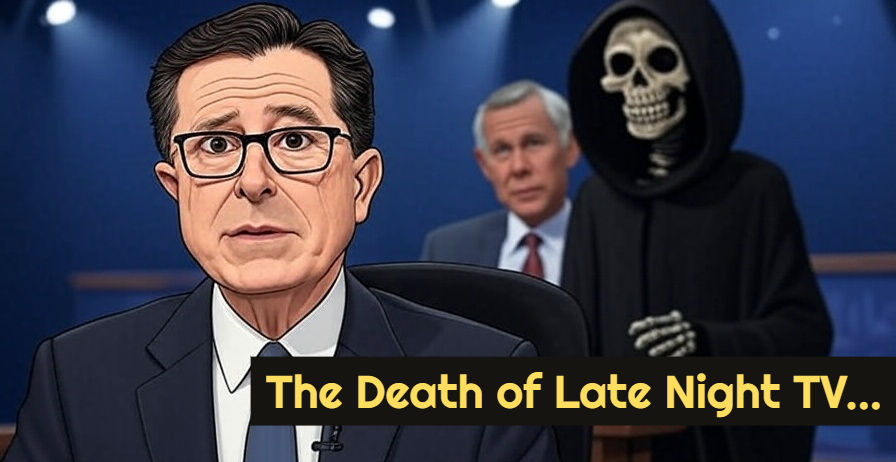
If Kimmel returns to ABC, expect the headlines to focus on apology, outrage, and spectacle. If affiliates say no, and the advertisers keep walking, late-night as we know it may be going the way of the rotary phone—replaced by narrowcast streaming and corporate-safe programming. The real question for viewers: Are we okay with a future where truth costs $14.99 a month and free speech only reaches the already converted?


Comments